
NCUK hosts transnational education event with Embassy Magazine
Posted:
On Thursday, 12 February, a group of university leaders and education attachés from across the globe met at Queen Mary University of London for a timely discussion on the future of transnational education (TNE) partnerships. The event, organised jointly by NCUK and Embassy Magazine, brought together perspectives from across the TNE ecosystem to explore how international collaboration in higher education is evolving to meet the needs of both students and host countries.
TNE as a bridge between aspiration and opportunity
For NCUK, transnational education sits at the heart of our mission. As was outlined during the panel, our role as a facilitator is fundamentally about creating pathways—connecting universities with international governments and institutions to deliver quality UK education where students need it most. The University of Leeds and their partnership with Universidad Peruana de Ciencias Aplicadas exemplifies this approach, showing how universities can expand their reach while maintaining academic standards and supporting local capacity building.
What became clear throughout the afternoon’s discussion is that TNE is no longer simply about exporting education; it’s about genuine partnership. The education attachés in the room, representing over 35 countries across Asia, the Middle East and Africa, Europe, and the Americas, articulated a consistent message: their countries are looking for collaborations that transfer knowledge, build local expertise, and create sustainable educational infrastructure.
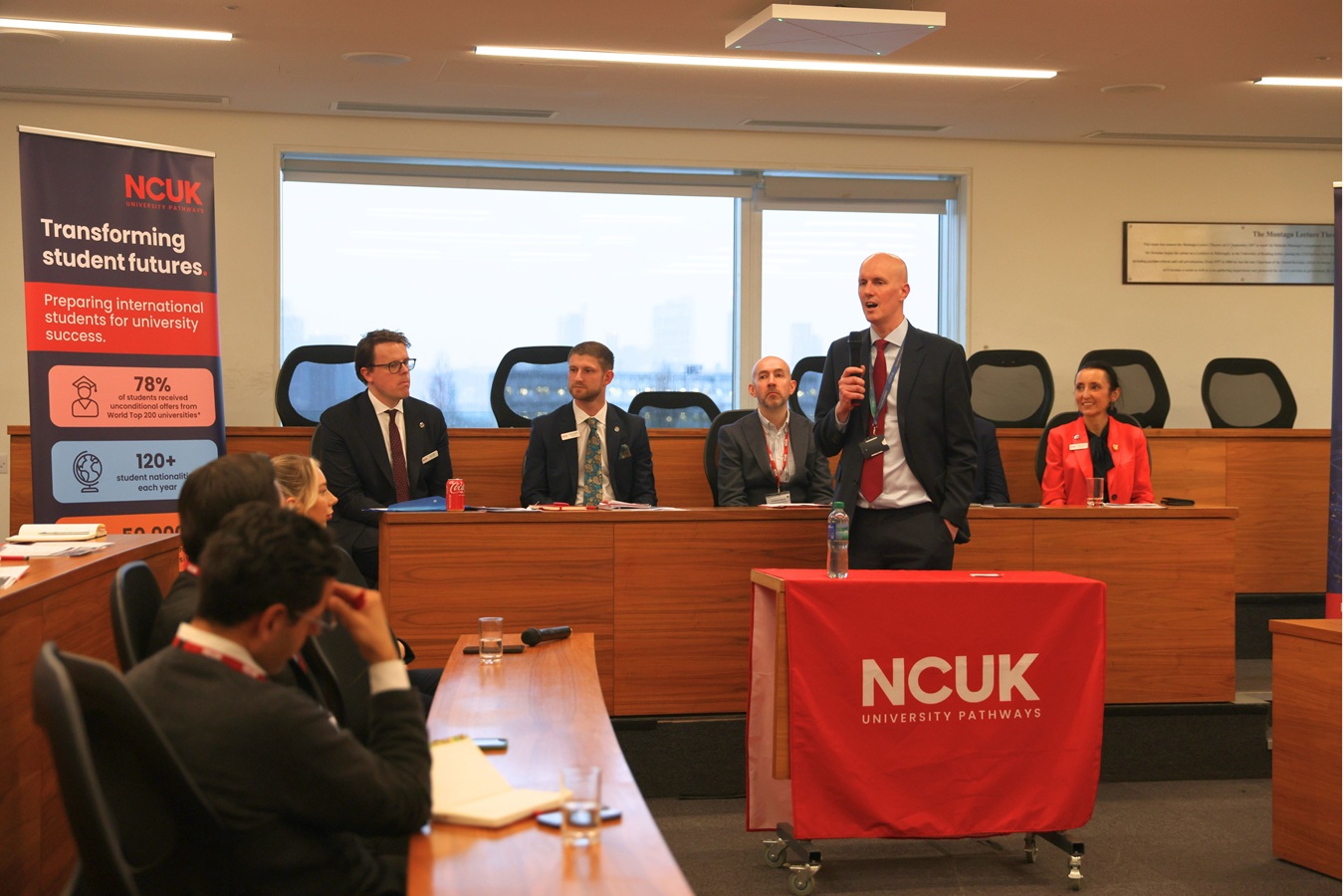
Lee Wildman, Director of Global Engagement at Queen Mary University of London welcoming delegates to the event.
Government priorities and strategic alignment
As this event was taking place in the UK, the panel also discussed how TNE partnerships align with the UK’s International Education Strategy provided essential context. The government’s commitment to growing TNE numbers to 600,000 students by 2030 isn’t just about volume, it’s about strategic, long-term, quality partnerships. For organisations like NCUK, this creates both opportunity and responsibility. Our partnerships must not only facilitate access to UK qualifications but also demonstrate genuine value to host countries in terms of skills development, economic impact, and educational advancement.
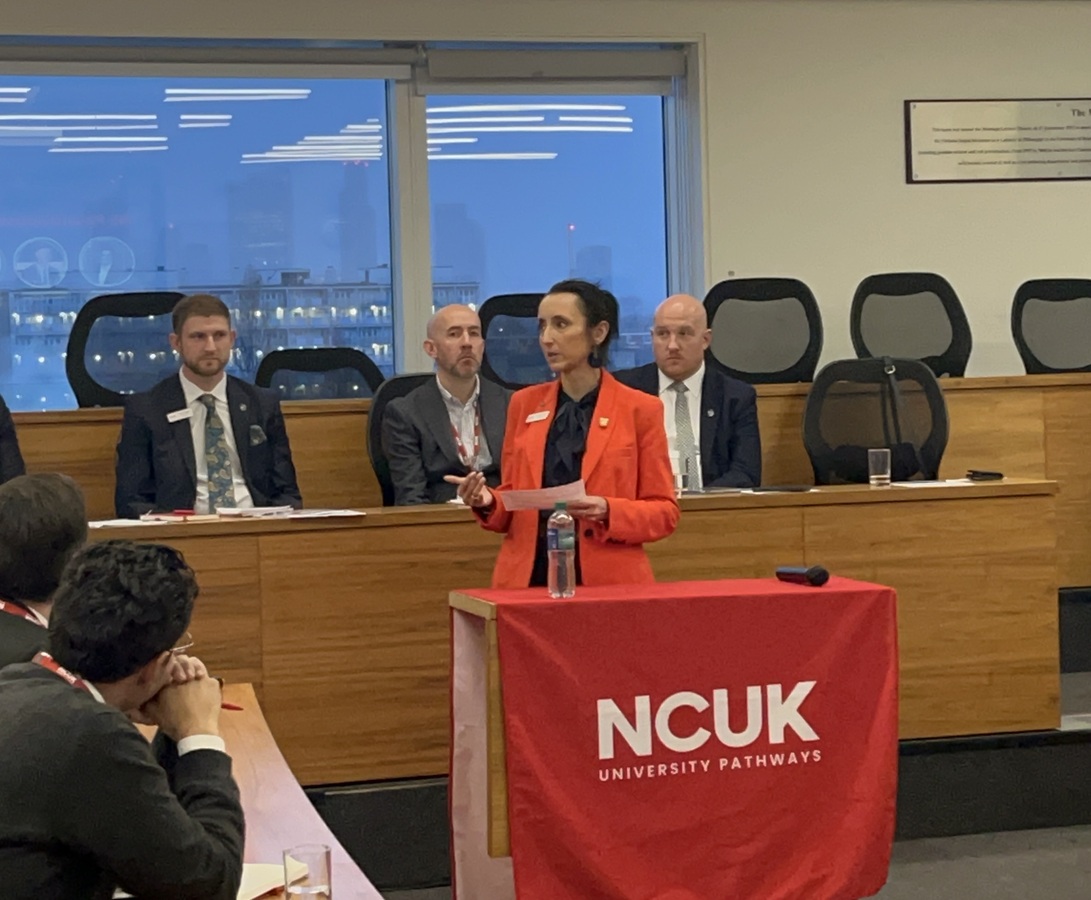
As this event was taking place in the UK, the panel also discussed how TNE partnerships align with the UK’s International Education Strategy provided essential context. The government’s commitment to growing TNE numbers to 600,000 students by 2030 isn’t just about volume, it’s about strategic, long-term, quality partnerships. For organisations like NCUK, this creates both opportunity and responsibility. Our partnerships must not only facilitate access to UK qualifications but also demonstrate genuine value to host countries in terms of skills development, economic impact, and educational advancement.
The policy framework is increasingly supportive, but as several panelists noted, success requires more than favourable conditions. It demands careful matchmaking between institutional capabilities and local needs, robust quality assurance mechanisms, and a long-term perspective on partnership development.
The university perspective: quality, sustainability, and impact
Martin’s contribution from the University of Leeds perspective highlighted the considerations universities navigate when evaluating TNE opportunities. Risk assessment, regulatory compliance, quality assurance, and resource allocation all factor into decision-making. What resonated particularly was his emphasis on partnerships that are mutually beneficial—where both the UK institution and the international partner can point to clear outcomes and sustained value.
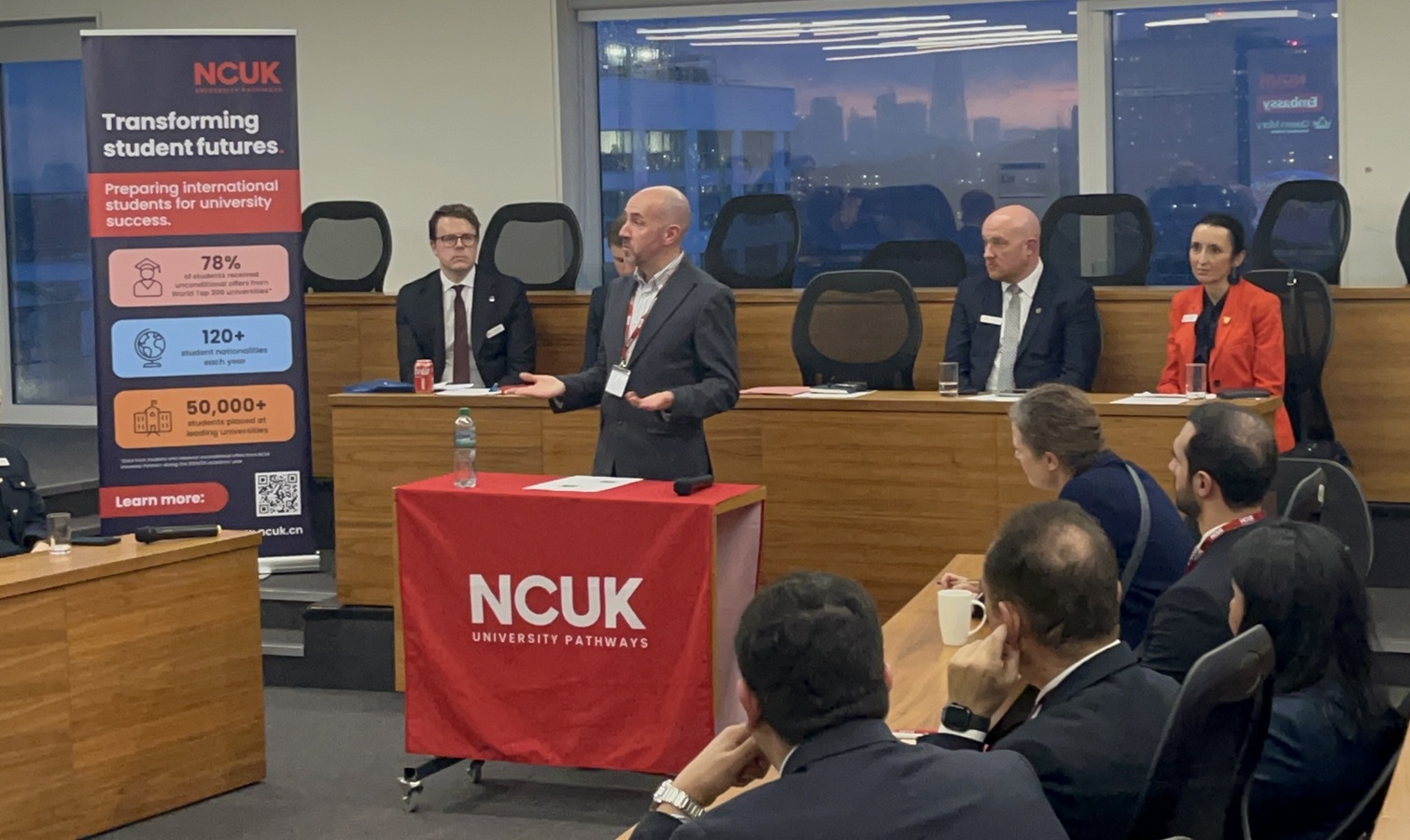
Martin Maule, Director of International Pathways Centre from the University of Leeds speaking to delegates.
This is where NCUK’s convening role becomes particularly relevant. We don’t simply introduce universities to opportunities; we help them assess fit, navigate regulatory requirements, and structure partnerships for long-term success. Our network of universities benefits from shared learning, collective expertise, and the infrastructure we’ve developed over three decades of TNE delivery.
Challenges and the path forward
The Q&A session surfaced several recurring challenges in the TNE landscape. There are questions around whether students will return home post-study or whether even with TNE, countries will faced brain drain. There’s positivity around the UK having rejoined Erasmus and hope that this will mean more collaboration with Europe. And perhaps most significantly, the notion that TNE partnerships must demonstrate genuine local benefit, not just institutional expansion.
Customisation matters. Cookie-cutter approaches don’t work. Each country has distinct priorities, regulatory environments, and educational needs. Successful TNE requires adapting delivery models while maintaining academic integrity.
Long-term commitment is also essential. Multiple panellists emphasised that meaningful TNE partnerships can take years to establish and mature. At NCUK this is exactly what we do with our emphasis on building enduring relationships with international partners.
Final reflections
For NCUK, this event reinforced our conviction that TNE, done well, creates opportunity at scale. It enables students to access world-class education in contexts that work for their lives and circumstances. It allows universities to extend their mission internationally. It supports countries in building educational capacity and expertise.
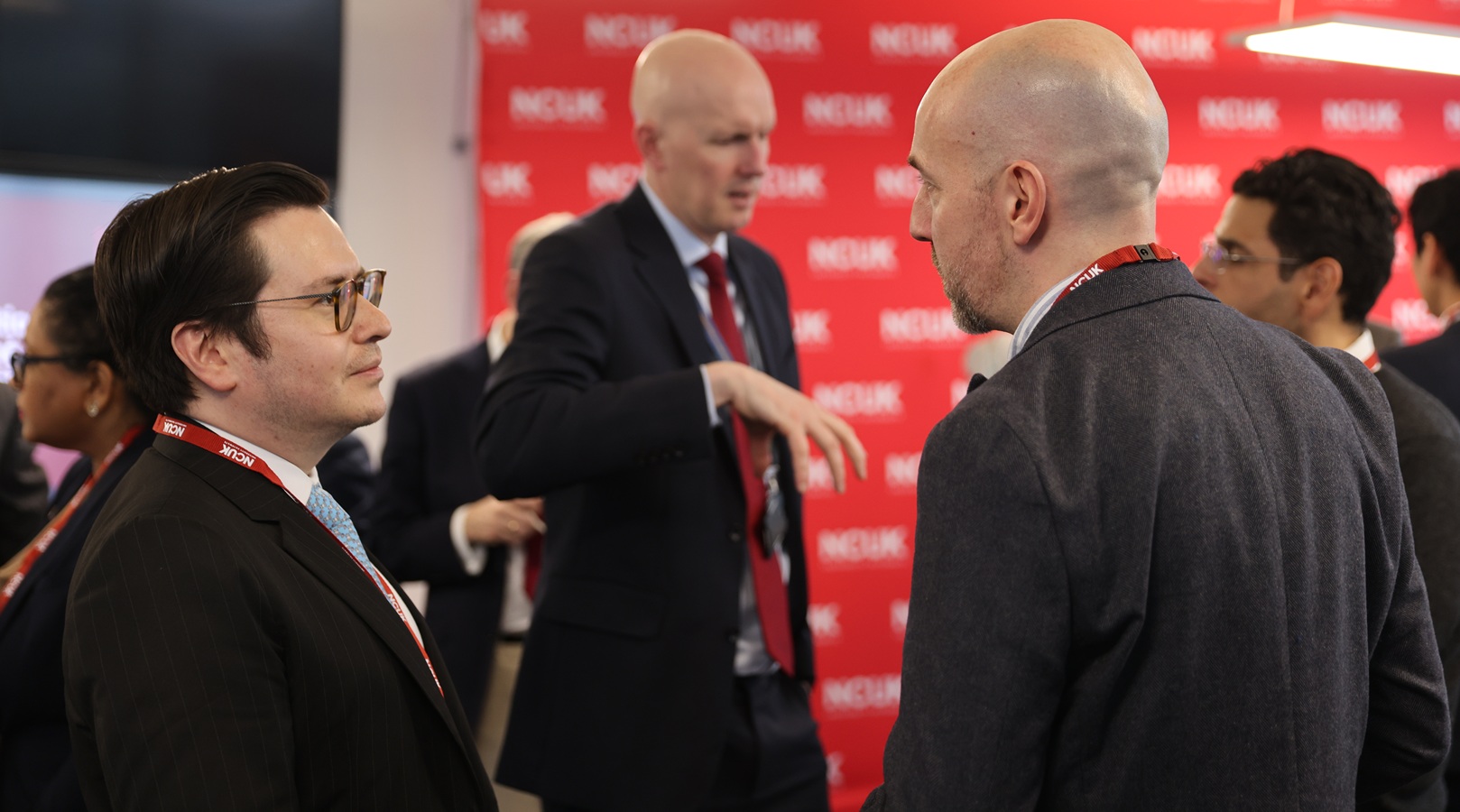
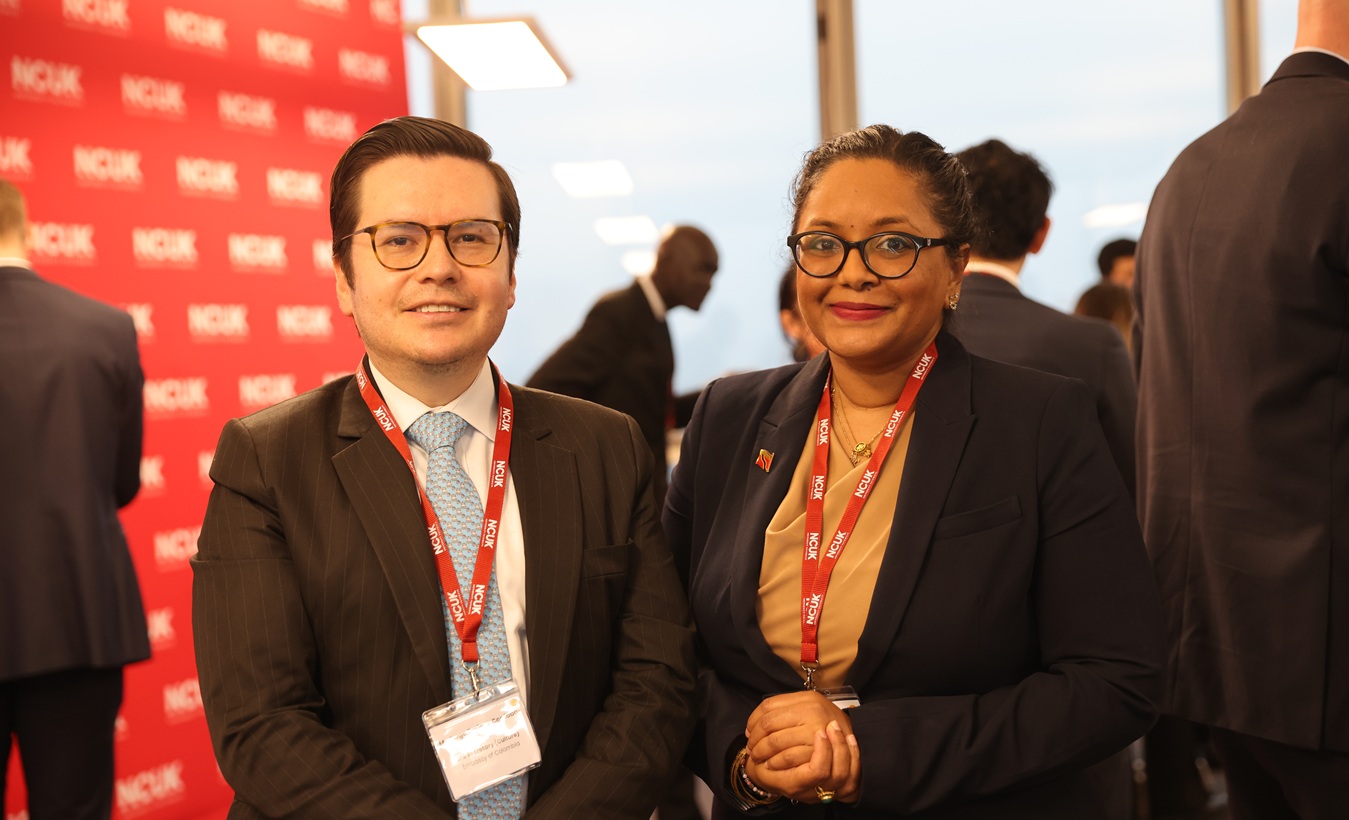
As we left the lecture theatre that evening, the conversations continued over refreshments. These informal exchanges, in many ways, capture what TNE partnerships are fundamentally about: building relationships, sharing knowledge, and creating pathways to opportunity that wouldn’t otherwise exist.
The next decade of TNE will undoubtedly bring challenges such as more regulatory shifts and geopolitical changes. But if the energy and commitment evident in that room at QMUL is any indication, the sector is ready to meet them with creativity, rigour, and a genuine commitment to educational partnership.
NCUK would like to thank Embassy Magazine, Queen Mary University of London, and all the panellists and attendees for a thoughtful and productive discussion. For more information about NCUK’s TNE partnerships please visit ncuk-multi.local or contact Andy Straughan, Director of Business Development at NCUK on andrew.straughan@www.ncuk.ac.uk.